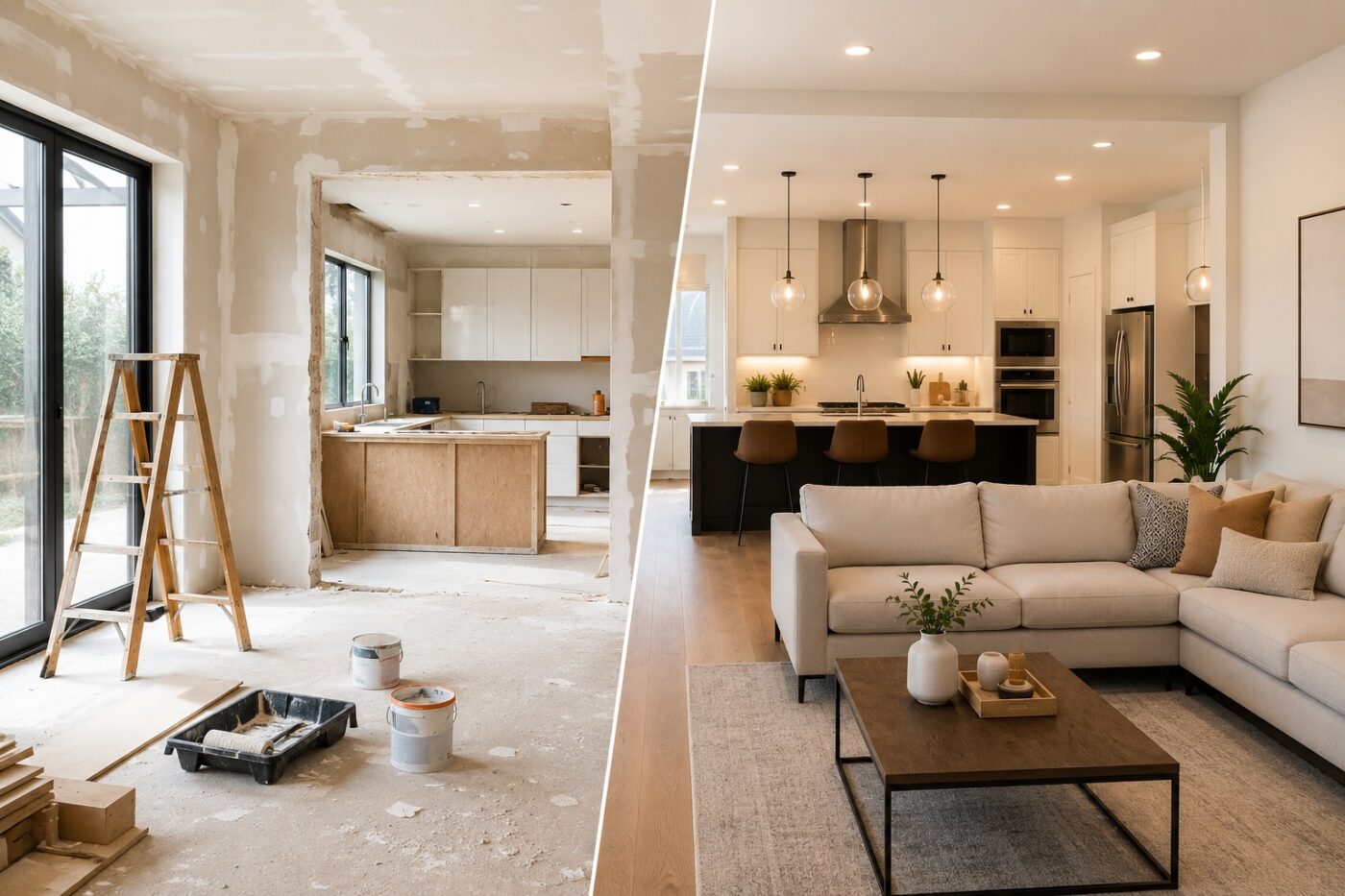
A home renovation can completely change how a property looks, feels, and functions. For some homeowners, renovation is about creating more comfortable living spaces. Others want to modernize an outdated interior, improve energy efficiency, or increase long-term property value before selling.
However, many renovation projects become stressful long before construction is even finished. Budgets suddenly expand, timelines collapse, contractors discover hidden problems inside walls, and homeowners realize they underestimated how disruptive renovation can actually be.
In most cases, the real problem is not the renovation itself — it is the lack of preparation before the work begins.
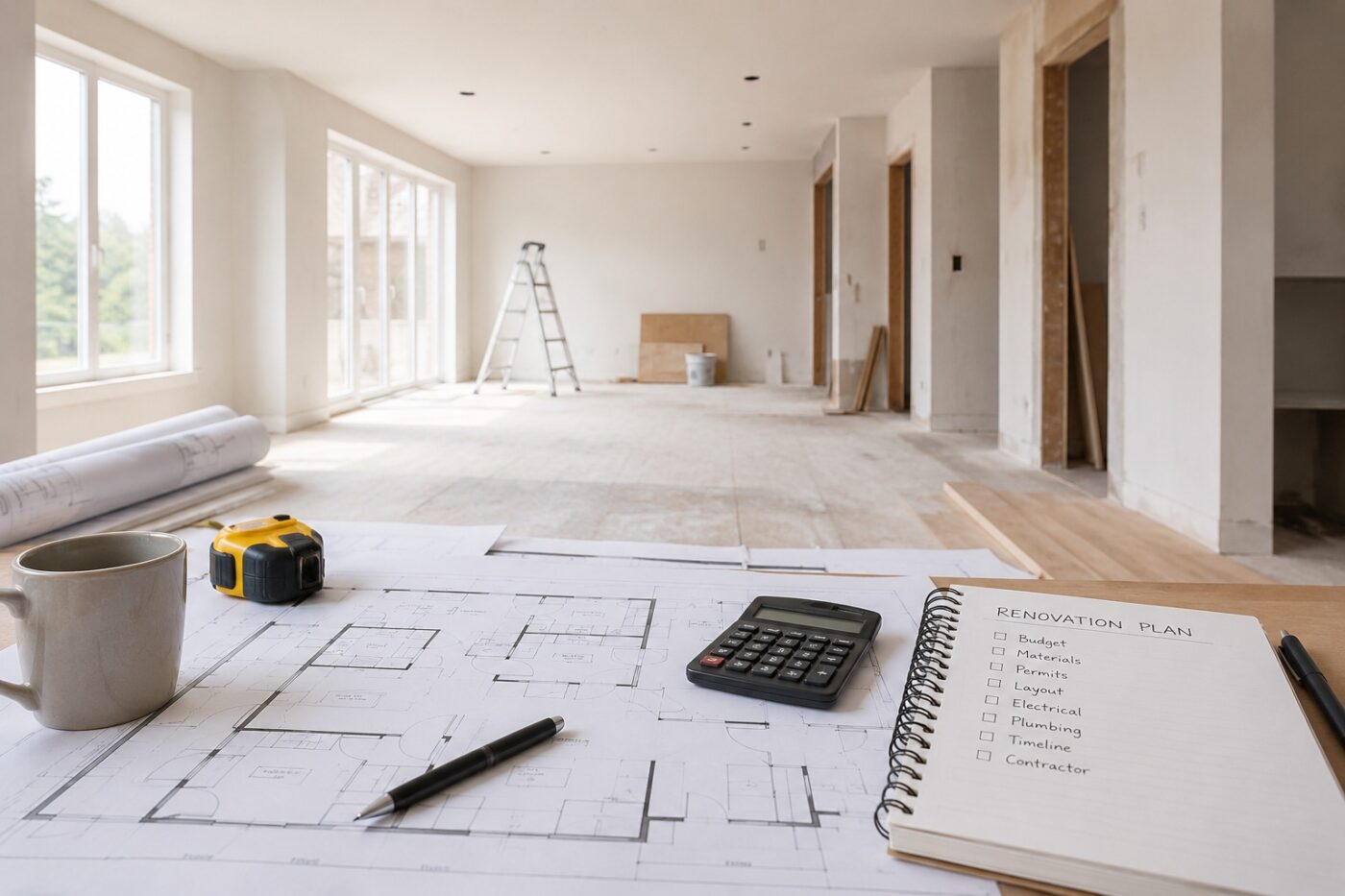
A successful renovation starts weeks or even months before demolition. Planning the budget, inspecting technical systems, organizing temporary living arrangements, ordering materials early, and preparing for unexpected issues can dramatically reduce stress later in the project.
For example, many homeowners order custom cabinets too late and suddenly discover the kitchen renovation is delayed by six weeks. Others focus entirely on cosmetic upgrades while ignoring outdated plumbing or overloaded electrical systems hidden behind the walls. These problems are extremely common, especially in older homes.
This guide explains how to properly prepare your home before renovation begins. You will learn how to plan realistic budgets and timelines, organize construction zones, communicate effectively with contractors, prepare utilities, protect your property, and avoid some of the most expensive renovation mistakes homeowners regularly make.
Whether you are planning a small remodel or a complete house renovation, proper preparation is what separates organized projects from renovation disasters.
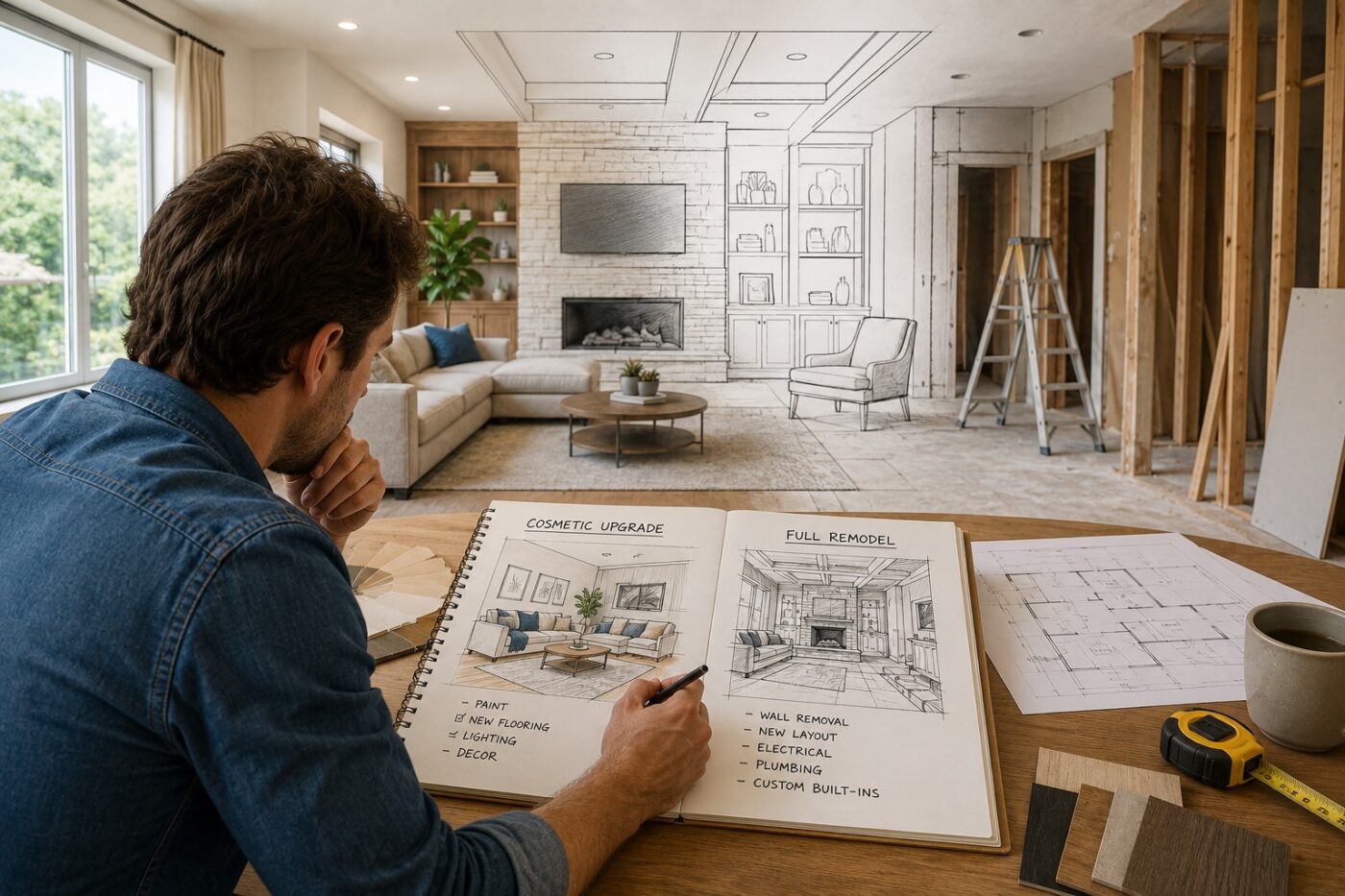
Table of Contents
Define Your Renovation Goals
Before hiring contractors or ordering materials, homeowners should clearly understand what they actually want to achieve from the renovation.
This sounds obvious, but many renovation problems begin because people start construction with only vague ideas instead of a structured plan.
Some homeowners renovate to improve daily comfort. Others want to increase resale value, modernize outdated rooms, solve technical problems, or improve energy efficiency. The goals behind the renovation will directly affect the budget, timeline, contractor selection, and material choices.
For example, repainting walls and replacing flooring is completely different from removing walls, rebuilding plumbing systems, or installing underfloor heating throughout the house.
One useful approach is separating renovation priorities into three categories:
- Essential structural improvements: Critical safety fixes, infrastructure updates, and urgent structural repairs.
- Daily comfort upgrades: Layout enhancements, better lighting, and modernizing functional spaces like kitchens or bathrooms.
- Future wishlist ideas: Non-urgent additions such as smart home automation, built-in custom furniture, or outdoor decks.
Essential improvements usually involve safety or technical systems. This may include leaking pipes, outdated electrical wiring, roof problems, mold issues, or insulation upgrades.
Comfort upgrades are improvements that make the home more enjoyable to live in, such as better lighting, additional storage, improved layouts, or modernized bathrooms and kitchens.
Future wishlist ideas are features that are not immediately necessary but may still be valuable later. Home offices, outdoor terraces, smart home systems, or custom built-in furniture often fall into this category.
This approach helps homeowners maintain budget control if renovation costs increase unexpectedly during construction.
Cosmetic Renovation vs Full Remodel
One mistake many homeowners make is underestimating the difference between cosmetic upgrades and full remodeling work.
A cosmetic renovation usually focuses on appearance:
- Repainting interior walls: Applying fresh paint coats or changing wallpaper to update the room’s color palette.
- Replacing outdated flooring: Installing new laminate, vinyl planks, or carpets without modifying subfloors.
- Updating visible lighting fixtures: Swapping old chandeliers, switches, or surface lamps for modern design options.
- Changing internal doors: Replacing old interior doors and trim to match the updated stylistic theme.
- Refreshing surface finishes: Quick cosmetic touches like installing baseboards, crown molding, or new cabinet hardware.
These projects are generally faster, less expensive, and easier to manage while living in the house.
A full remodel is much more complex. It may involve:
- Removing load-bearing or partition walls: Creating modern open-concept floor plans that require structural beams.
- Rewiring complete electrical systems: Replacing old cables, upgrading electrical panels, and adding safety grounding.
- Replacing old utility plumbing: Installing fresh supply pipes and main drainage lines to prevent future leaks.
- Completely rebuilding bathrooms: Stripping spaces down to bare studs for full layout changes and waterproofing.
- Modifying overall floor layouts: Relocating doorways, expanding rooms, or converting spaces into functional home offices.
- Upgrading central heating systems: Installing modern radiators, energy-efficient boilers, or integrated floor heating.
- Improving wall and ceiling insulation: Enhancing the home’s thermal boundary to decrease utility expenses.
Full renovations often require permits, inspections, engineering reviews, and much larger contingency budgets.
Understanding the scale of the project early helps prevent unrealistic expectations later.
PRO TIP:
Homeowners often regret focusing too heavily on decorative finishes while ignoring hidden technical systems. Cosmetic upgrades look impressive initially, but outdated plumbing or electrical systems can create expensive problems only a few months later.
Think About Long-Term Needs
A renovation should solve not only today’s problems, but also future lifestyle needs.
For example, homeowners increasingly work remotely and later realize they need:
- Additional desktop electrical outlets: Placing sufficient power sources exactly where monitors, laptops, and chargers sit.
- Stronger wired internet infrastructure: Running dedicated Cat6 ethernet cables for stable, high-speed remote work connections.
- Quieter dedicated office spaces: Isolating the workspace from loud household zones like kitchens or living rooms.
- Improved task and ambient lighting: Positioning adjustable LED setups to reduce eye strain during long working hours.
- Better acoustics and sound insulation: Installing specialized acoustic drywall or dense wall insulation to block household noise.
Similarly, growing families often need additional storage, improved room layouts, or flexible living areas that can adapt over time.
Thinking ahead during renovation is usually far cheaper than rebuilding finished spaces later.
Avoid Constant Design Changes
One of the fastest ways to destroy a renovation budget is constantly changing decisions during construction.
Moving plumbing after installation, redesigning layouts halfway through demolition, or changing material selections late in the process often creates chain reactions that affect:
- Master contractor schedules: A change pushes one specialist back, which delays every other trade lined up afterward.
- Material delivery logistics: Returning wrong items and ordering new variations triggers unexpected weeks of waiting time.
- Municipal permit inspections: Altering core layouts usually requires resubmitting technical plans and waiting for re-approvals.
- Total project labor costs: Tearing down freshly completed work and doing it again adds heavy financial penalties to the budget.
The more decisions finalized before demolition begins, the smoother the renovation process usually becomes.
That does not mean every detail must be perfect from day one. However, major structural, electrical, plumbing, and layout decisions should be locked in early whenever possible.

Set a Realistic Renovation Budget
Many homeowners underestimate renovation costs because they focus mainly on visible finishes like flooring, tile, paint, or cabinets. In reality, hidden expenses often consume a large portion of the total budget.
Demolition may reveal:
- Hidden structural water damage: Rotting wood studs or damp floor joists hidden beneath old tile layers.
- Toxic mold contamination: Spores spreading inside dark wall cavities due to historical unaddressed leaks.
- Outdated single-insulated wiring: Dangerous, brittle electrical lines that fail to meet current fire safety standards.
- Degraded or missing insulation: Empty wall gaps that cause extreme drafts and high heating losses.
- Unseen structural weaknesses: Sagging beams, uneven settling cracks, or poorly executed previous modifications.
- Corroded internal plumbing failures: Rusting iron or brittle plastic pipes ready to burst under modern water pressure.
These surprises are extremely common in older homes.
That is why experienced contractors rarely trust “perfect” renovation budgets without contingency reserves.
A realistic renovation budget should include not only construction costs, but also:
- Local municipal permits: Official building, electrical, and plumbing documentation fees required by your city.
- Heavy material delivery fees: Transporting heavy pallets of tile, timber, concrete, or drywall to the property.
- Temporary housing arrangements: Renting a short-term apartment or staying in hotels during heavy construction phases.
- External furniture storage costs: Utilizing secure self-storage containers to protect household goods from thick drywall dust.
- Construction waste removal: Renting large disposal dumpsters and paying local landfill recycling fees.
- Unforeseen emergency repairs: Fixing structural surprises, structural issues, or sudden plumbing leaks discovered after demolition.
- Main utility grid upgrades: Enhancing the home’s incoming power supply capacity to handle high-load appliances safely.
Many homeowners also forget indirect expenses such as restaurant meals during kitchen renovations or temporary coworking spaces while working remotely during construction.
Why Contingency Funds Matter
One of the biggest renovation mistakes is spending the entire budget on visible finishes without reserving emergency funds.
A smart renovation plan usually includes:
- A 10% to 15% contingency buffer: Best suited for straightforward cosmetic renovations in relatively new, modern houses.
- A 15% to 25% contingency buffer: Essential for major whole-home remodels, structural adjustments, or properties built decades ago.
Without this buffer, even moderate surprises can create major financial stress.
For example, replacing a bathroom floor may suddenly uncover rotten subflooring or leaking plumbing hidden underneath the tile. Problems like this are impossible to predict fully before demolition begins.
WARNING:
Never assume a renovation budget will remain exactly as planned. Unexpected issues are normal, not exceptional.
Prioritize Functionality Over Luxury
Luxury finishes are tempting during renovation planning. Social media and interior design platforms constantly showcase expensive kitchens, dramatic lighting systems, and high-end materials.
However, technical infrastructure should almost always come first.
Upgrading:
- Core electrical infrastructure: Installing reliable panels, ample safety breakers, and high-quality internal copper wiring.
- High-density thermal insulation: Sealing the building envelope to regulate indoor temperature and cut heating expenses.
- Advanced wet-zone waterproofing: Applying premium liquid barriers inside bathrooms to stop dangerous structural leaks.
- Effective mechanical ventilation: Installing proper exhaust fans to extract moisture and preserve indoor air quality.
- Durable plumbing networks: Using reliable multi-layer piping materials that ensure decades of leak-free service.
- Modern, efficient heating systems: Setting up stable underfloor heating loops or energy-saving climate controllers.
usually provides far more long-term value than decorative upgrades alone.
Beautiful finishes installed over failing infrastructure often become expensive future repair projects.
Budget Tracking Is Essential
A renovation budget should never be created once and ignored afterward.
Homeowners should continuously track:
- Milestone contractor payments: Tracking money released to the primary team based on verified completed stages.
- Raw construction material costs: Monitoring invoices for structural lumber, drywall, cement mix, and plumbing fixtures.
- Logistics and delivery expenses: Keeping tabs on shipping charges, courier drops, and unexpected fuel surcharges.
- Approved project change orders: Accounting for extra costs caused by explicit shifts in material choices or layouts.
- Unforeseen emergency repairs: Deducting costs from your emergency reserve when hidden problems appear during demolition.
Simple spreadsheets are often enough to monitor spending effectively.
Without active budget tracking, overspending can happen surprisingly fast during renovation projects.
PRO TIP:
Homeowners who monitor renovation expenses weekly usually identify financial problems early enough to correct them before the project becomes unmanageable.
Inspect the Current Condition of the House
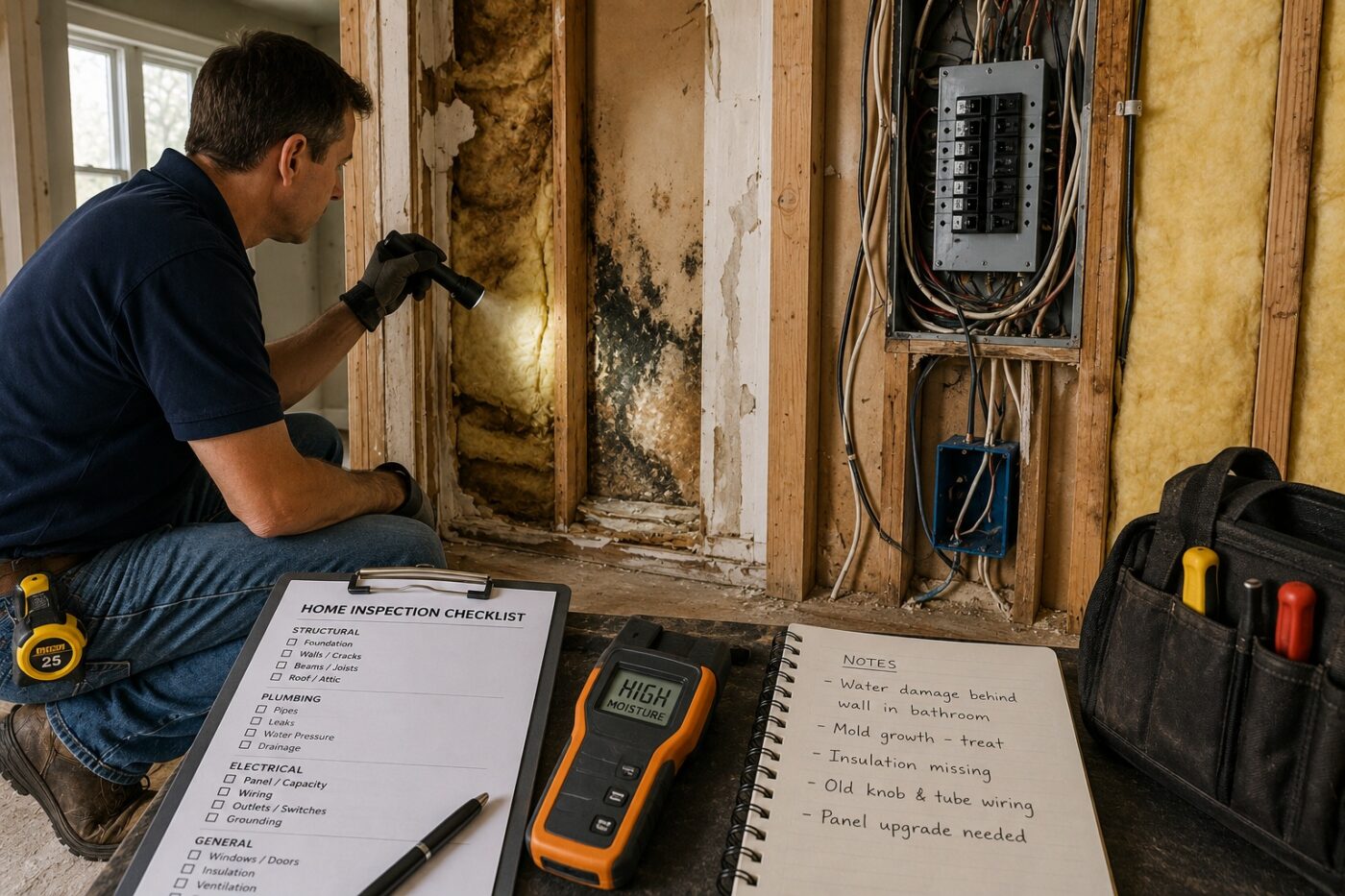
Before renovation begins, homeowners should carefully inspect the actual condition of the property instead of focusing only on design ideas.
Many serious renovation problems remain hidden until demolition starts.
Even homes that appear modern and well-maintained may contain:
- Slow-leaking drainage pipes: Minor pinhole leaks inside walls that slowly rot adjacent flooring or framing.
- Outdated aluminum wiring: Dangerous electrical configurations unable to support multiple high-wattage kitchen appliances.
- Hidden framing structural weaknesses: Improperly modified support columns or cracked joists from past renovations.
- Dangerous mold contamination: Spreading mold colonies inside dark attic spaces or behind bathroom drywall sheets.
- Settled or decayed insulation: Inefficient thermal barriers that lead to freezing corner walls during winter seasons.
- Unnoticed roof tile damage: Small external roof cracks that let rainwater gradually ruin ceiling plasterboards.
Identifying these problems early can save thousands in unexpected repairs later.
One of the most common mistakes homeowners make is installing expensive finishes before solving hidden technical problems. Fresh paint and beautiful flooring will not matter if moisture continues leaking behind the walls.
Start With Structural Inspection
Structural issues are among the most expensive renovation discoveries.
Warning signs often include:
- Noticeably sloping floors: A clear warning sign pointing to joist deterioration or structural subfloor sinking.
- Deep, diagonal wall cracks: Significant fractures extending from window frames or doorways, showing foundation settlement.
- Sticking windows or doors: Frames warping out of square due to shifting walls or structural floor pressure.
- Visible ceiling sagging: Drooping plaster or drywall sheets caused by overloaded joists or historical roof leaks.
- Uneven internal framing lines: Crooked corners or non-vertical walls that complicate cabinet and tile installation.
- Active structural foundation movement: Shifting basement walls or exterior brick cracks that require urgent engineering intervention.
Older homes deserve especially careful structural evaluation before any remodeling work begins.
If major structural concerns appear, consulting a structural engineer before demolition is usually a smart investment.
Check Plumbing and Electrical Systems Carefully
Outdated plumbing and electrical systems create many long-term renovation problems.
Homes built decades ago may still contain:
- Undersized main electrical panels: Old 50A or 60A service boxes that instantly trip under modern household power demands.
- Brittle vintage aluminum wiring: Outdated conductive lines prone to overheating and causing dangerous electrical fires.
- Severely corroded metal pipes: Internal rust buildup that limits daily water pressure and colors running water.
- Failing main drainage systems: Partially blocked cast-iron pipes vulnerable to regular backups or structural tree-root damage.
- Insufficient wall outlet capacity: Rooms with only one or two sockets, leading to dangerous extension cord overloads.
Modern households place far greater demands on electrical systems because of:
- Dedicated home office workstations: Multi-monitor setups, high-power computers, network servers, and backup UPS units.
- Multi-zone air conditioning systems: Modern climate systems requiring direct electrical lines and dedicated circuit breakers.
- Connected smart home devices: Automated security hubs, motorized blinds, smart switches, and constant Wi-Fi routing hardware.
- Electric underfloor heating systems: High-wattage heating elements laid below floor finishes that draw sustained electrical current.
- High-power kitchen appliances: Modern induction cooktops, built-in ovens, heavy dishwashers, and rapid water heaters.
Renovation is often the best opportunity to upgrade these systems before walls and flooring are closed permanently.
Moisture Problems Should Never Be Ignored
Moisture is one of the most destructive hidden issues inside residential properties.
Small leaks can eventually create:
- mold,
- wood rot,
- insulation damage,
- poor indoor air quality,
- structural deterioration.
Signs of moisture problems may include:
- Persistent, damp musty smells: The initial indicator showing that hidden mold is developing behind baseboards or wall panels.
- Peeling or bubbling wall paint: Moisture migrating outwards through plaster, breaking the paint layer’s chemical adhesion.
- Cupped or warped flooring planks: Wooden boards absorbing floor humidity, causing edges to lift and ruin the surface layout.
- Expanding black wall spots: Active mold colonies thriving on paper-faced drywall inside unventilated wet areas.
- Heavy window condensation buildup: High indoor humidity levels that condense on glass and rot wooden window sills.
- Soft, crumbling drywall sections: Plasterboards completely saturated by water leaks, losing all structural load-bearing strength.
Bathrooms, basements, kitchens, and attics are especially vulnerable.
WARNING:
Cosmetic renovation should never begin before active moisture problems are fully resolved.
Plan the Renovation Timeline
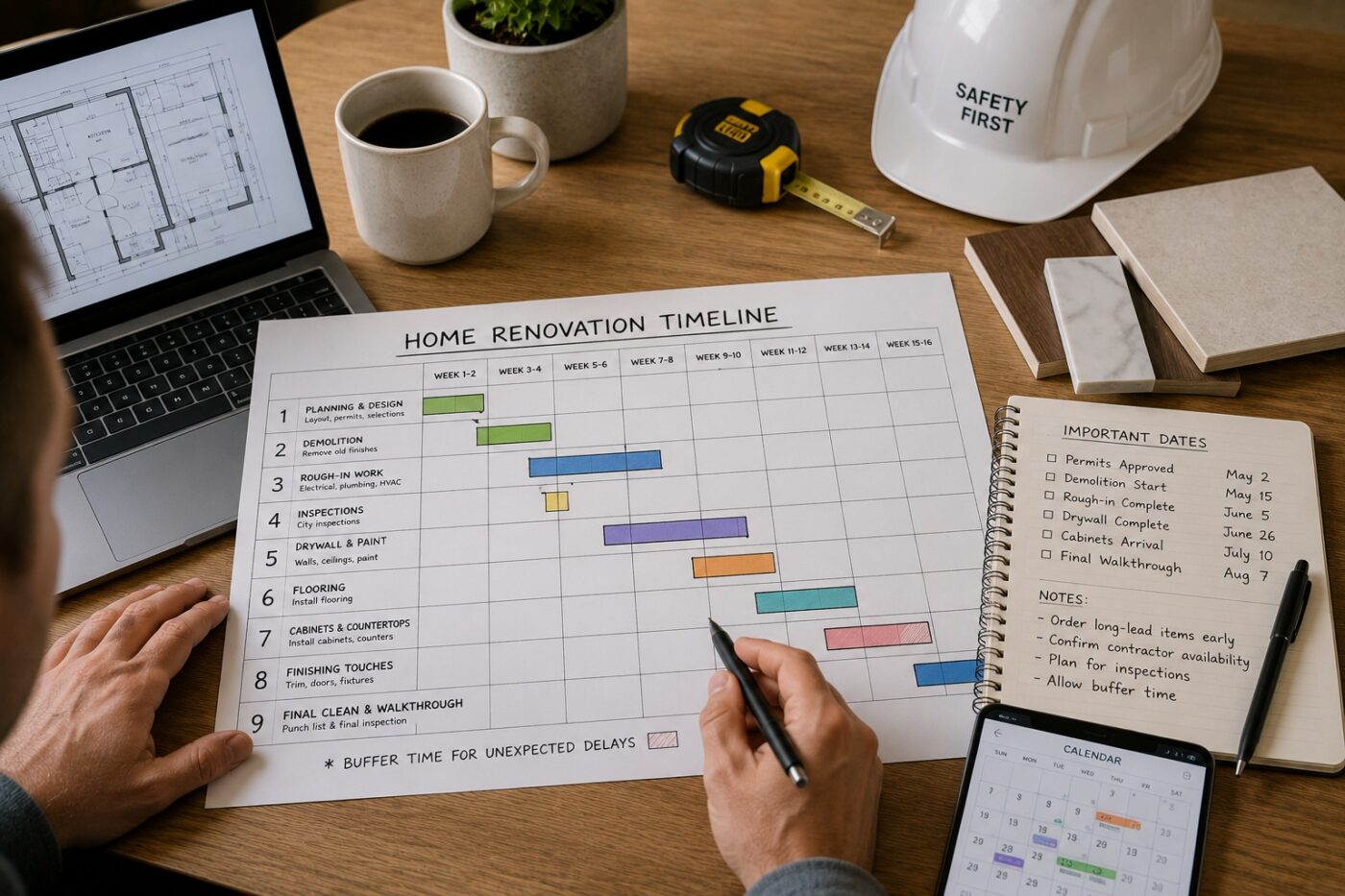
One of the biggest misconceptions homeowners have is believing renovations follow perfectly predictable schedules.
In reality, delays happen constantly.
Materials arrive late. Contractors become unavailable. Inspections take longer than expected. Hidden damage appears during demolition. Weather slows exterior work.
That is why realistic renovation timelines matter so much.
Many renovation disasters begin with schedules that were impossible from the beginning.
Why Renovation Timelines Fail
Several problems repeatedly destroy renovation schedules:
- Late raw material deliveries: Broken supply chains that delay core items like custom windows, tiles, or roofing sheets.
- Mid-project design modifications: Changing finish choices or moving plumbing points halfway through active building stages.
- Contractor scheduling overlaps: Primary trades running behind schedule on other sites, causing weeks of empty project downtime.
- Delayed municipal permit reviews: Backlogged local building offices taking weeks to approve structural layout documents.
- Hidden internal structural defects: Spending precious days correcting water damage or framing errors discovered after demolition.
- Unrealistic homeowner expectations: Expecting complex multi-stage tasks to conclude without built-in buffer days.
Custom products are especially dangerous for timelines.
For example, cabinets, windows, countertops, and specialty tile may require several weeks or even months for manufacturing and delivery.
If these items arrive late, entire sections of the renovation may stop completely.
Build Extra Time Into the Schedule
Experienced contractors almost always expect delays.
Homeowners should do the same.
Trying to force unrealistic deadlines often creates:
- rushed workmanship,
- installation mistakes,
- contractor stress,
- poor finishing quality.
The goal is not finishing renovation as quickly as possible.
The goal is completing it properly.
PRO TIP:
Adding extra buffer time to the renovation schedule is almost always smarter than trying to create an “aggressive” timeline.
Final Thoughts
Home renovation is rarely simple, but good preparation dramatically improves the experience.
The homeowners who struggle most during renovation are usually not the ones with the oldest houses or the smallest budgets. They are often the people who begin construction without enough planning, organization, or realistic expectations.
Preparation reduces uncertainty.
It helps homeowners:
- control costs,
- reduce stress,
- improve communication,
- avoid delays,
- protect their property,
- make better decisions throughout the project.
Renovation will always involve some disruption. Dust, noise, delays, and unexpected repairs are normal parts of construction. However, careful preparation prevents those challenges from becoming overwhelming.
The more organized the project is before demolition begins, the greater the chance the renovation will finish successfully, safely, and within a realistic budget.
A well-prepared renovation is not just about creating a more beautiful home.
It is about creating a home that functions better, lasts longer, and supports your lifestyle for many years after the construction dust disappears.
Frequently Asked Questions
How early should you prepare before a renovation?
For larger renovation projects, preparation should ideally begin several months before construction starts. This allows enough time for budgeting, inspections, permits, contractor selection, and material ordering.
Can you live in a house during renovation?
It depends on the scale of the project. Small cosmetic renovations are often manageable while living in the home, but major remodeling involving kitchens, bathrooms, electrical systems, or structural work may require temporary relocation.
What should homeowners do before demolition begins?
Before demolition, homeowners should:
- Remove all home valuables: Packing away jewelry, electronics, and documents safely outside the construction zone.
- Protect remaining furniture pieces: Wrapping large items in heavy plastic sheets to guard against invasive concrete dust.
- Confirm critical material deliveries: Ensuring main items like bathroom plumbing elements or flooring are already stored on-site.
- Lock in final room layouts: Double-checking cabinet positions and lighting placements with your contractor before demolition begins.
- Verify active municipal permits: Confirming all official city paperwork is approved and physically posted at the work site.
- Inspect primary utility shutoffs: Testing main water valves and electrical breakers so contractors can cut utilities safely.
- Finalize temporary living arrangements: Setting up an alternative place to sleep and work comfortably away from construction noise.
How much contingency budget is recommended?
Most renovation experts recommend:
- 10–15% contingency for cosmetic renovations,
- 15–25% contingency for full remodels or older homes.
What causes the biggest renovation delays?
The most common causes include:
- Delays in custom material deliveries: Extended shipping times for specialized goods like factory-made kitchen cabinets.
- Unforeseen structural wall problems: Spending unexpected project weeks repairing mold or cracked framework found behind drywall.
- Slow city building permit approvals: Municipal paper backlogs that temporarily prevent structural work from legally starting.
- Overbooked contractor schedules: Specialized subcontractors missing their scheduled start windows due to prior job overruns.
- Spontaneous mid-construction design adjustments: Pausing active builders to rewrite floor plans or adjust electrical switch locations.