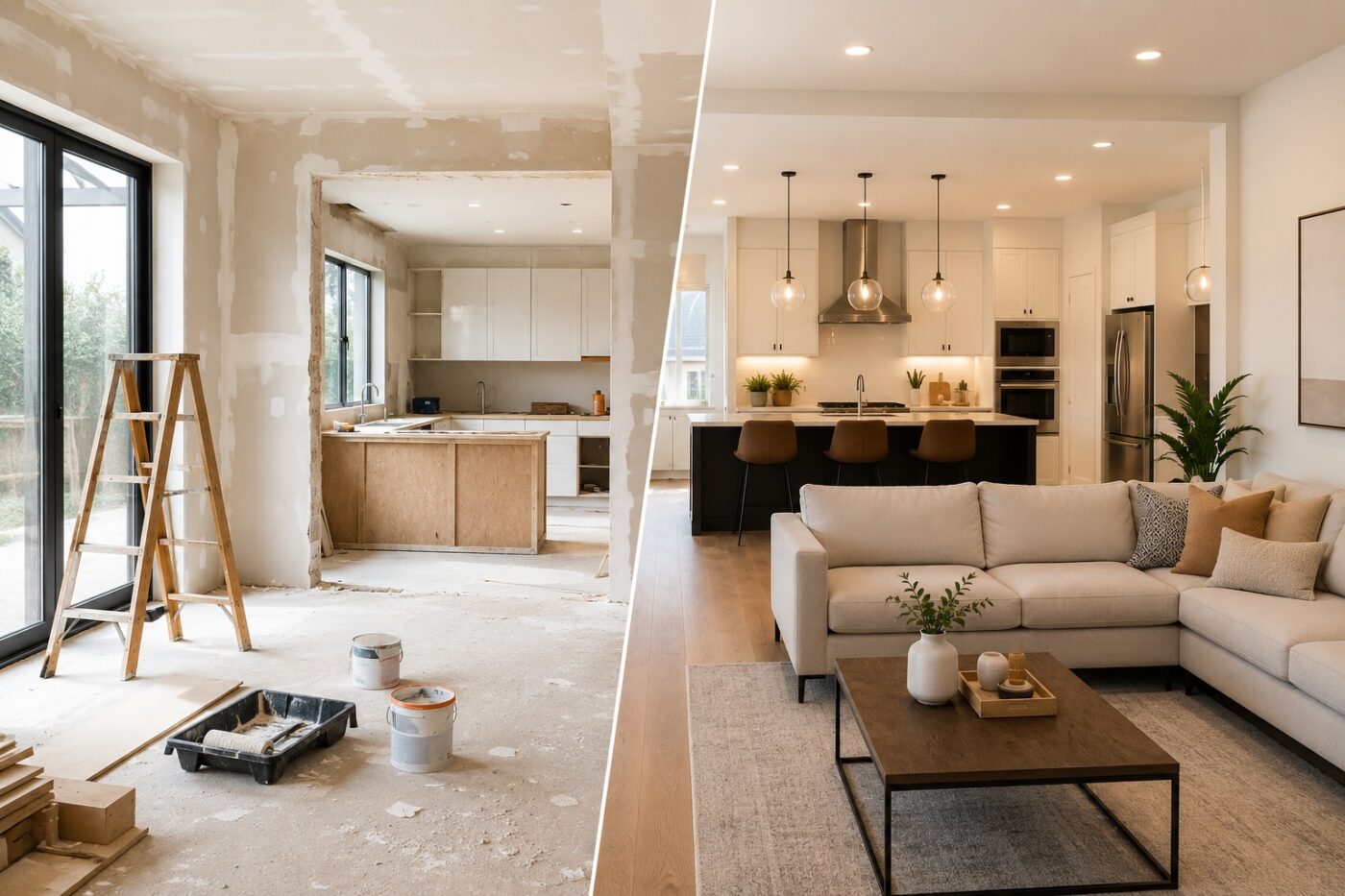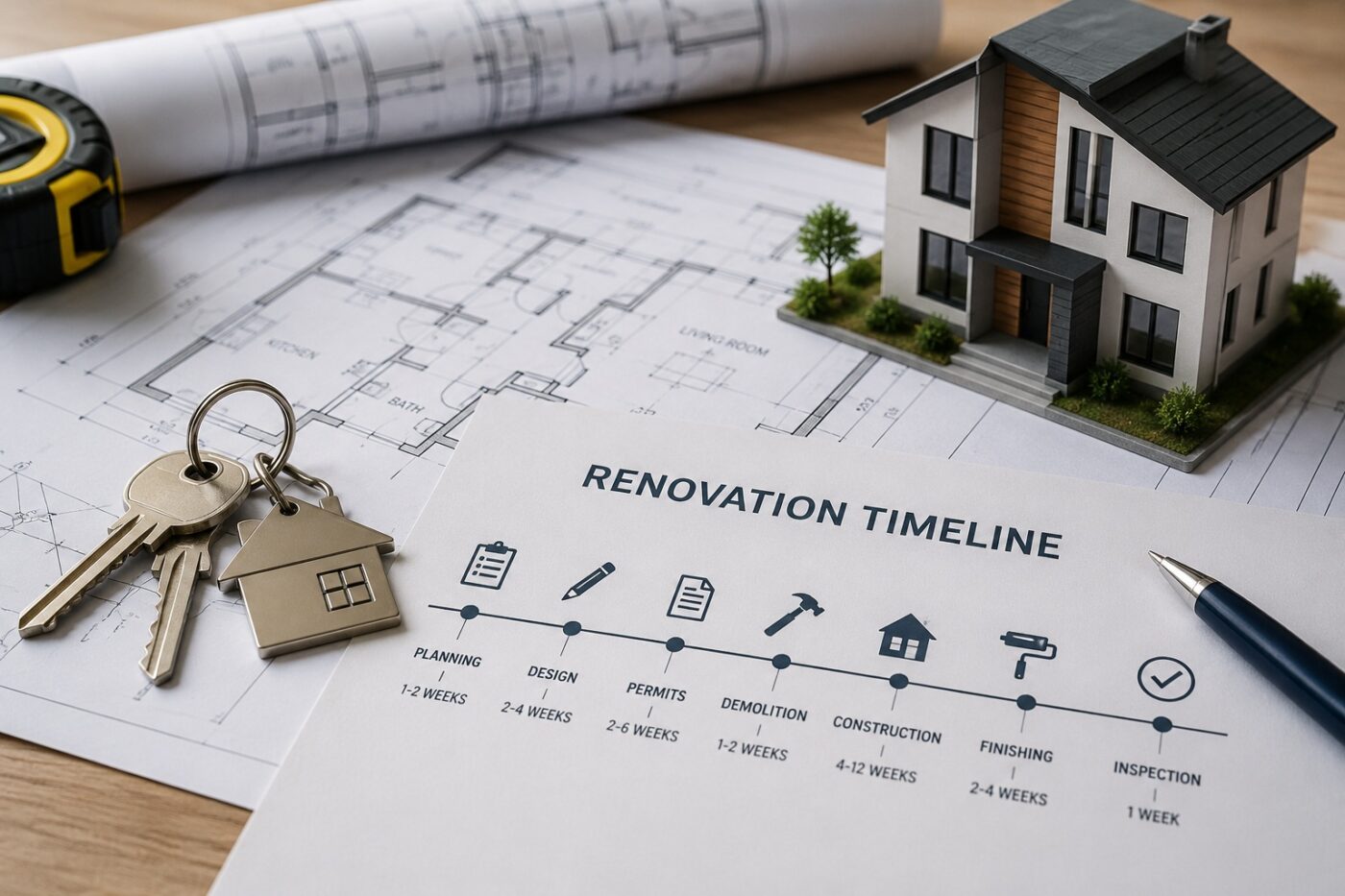
Most homeowners underestimate renovation timelines by several weeks — and sometimes by several months. What begins as a simple remodeling project can quickly turn into delayed deliveries, contractor scheduling conflicts, unexpected structural repairs, and rising costs.
A renovation timeline is more than just a rough schedule. It is the framework that keeps an entire remodeling project organized from the planning stage to the final inspection. Without a realistic timeline, homeowners often experience budget overruns, unfinished work, stress, and construction delays that could have been avoided with better preparation.
In real renovation projects, delays rarely happen because of one major disaster. More often, they come from smaller issues that slowly compound over time. A countertop arrives two weeks late. An electrician becomes unavailable for several days. A permit inspection gets rescheduled. Suddenly, a project expected to take two months stretches into four.
Contractors often say the same thing: the homeowners who plan the most carefully usually experience the fewest delays.
The length of a renovation depends on several important factors, including:
- The size of the property
- The complexity of the work
- Material availability
- Contractor scheduling
- Permit approvals
- Structural surprises hidden behind walls
- Weather conditions for exterior work
Small cosmetic renovations may only take a few weeks, while full house remodels can last anywhere from three months to over a year depending on the scope of work.
| Renovation Type | Average Timeline |
|---|---|
| Cosmetic room updates | 2–6 weeks |
| Bathroom renovation | 3–8 weeks |
| Kitchen remodel | 1–3 months |
| Full home renovation | 3–12 months |
One of the biggest mistakes homeowners make is assuming construction work happens continuously every day. In reality, renovation projects move in stages. Some days involve active construction, while others are spent waiting for inspections, deliveries, drying times, or contractor availability.
This guide explains how renovation timelines actually work in real-world remodeling projects. You’ll learn what affects renovation schedules, how long each renovation phase usually takes, why delays happen so often, and what homeowners can do to keep projects moving efficiently.
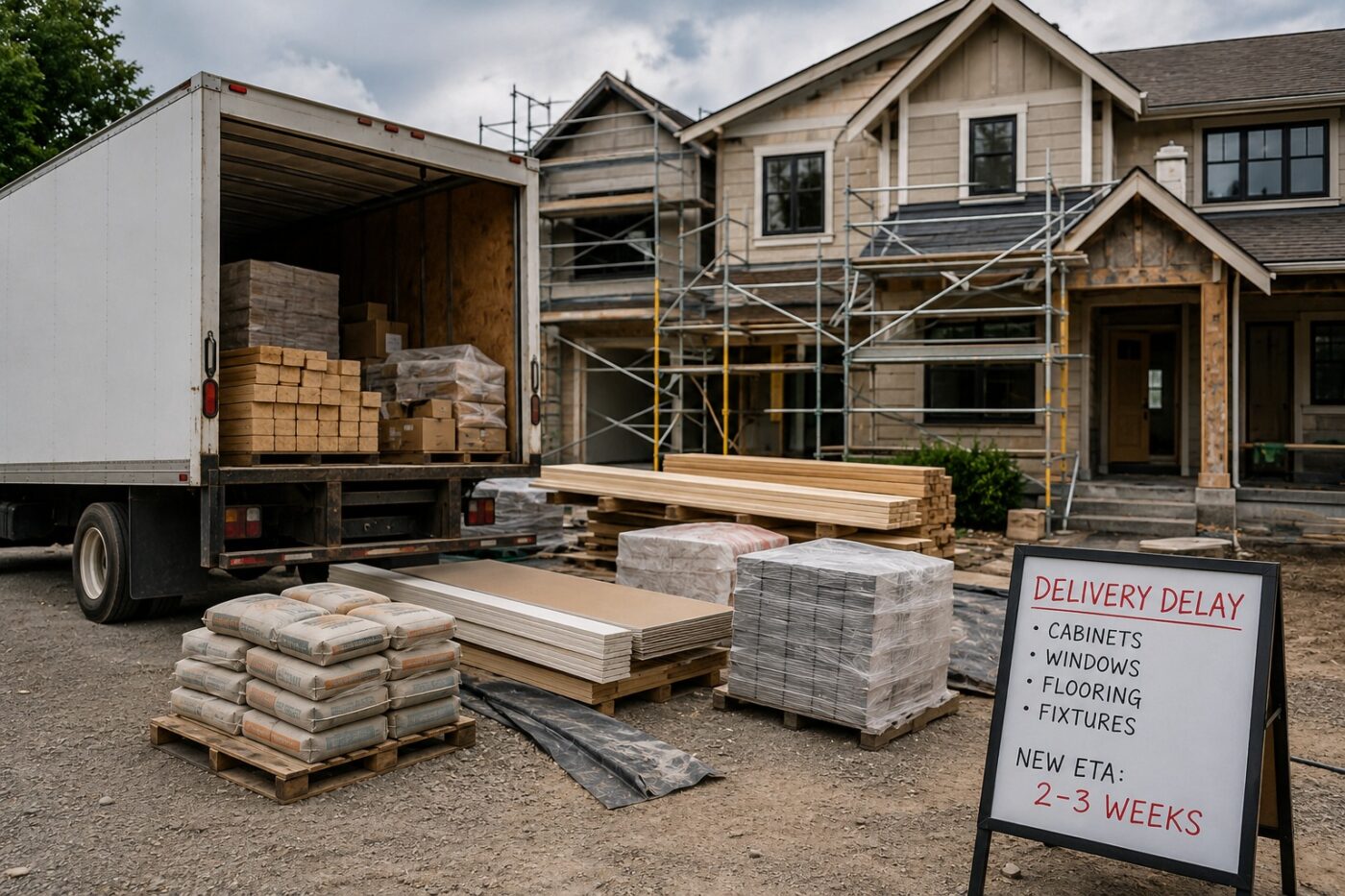
Table of Contents
What Affects a Renovation Timeline?
No two renovation projects follow exactly the same timeline. A simple guest bathroom update may be completed within a few weeks, while a full house remodel involving plumbing, electrical rewiring, and structural modifications can take several months.
Many homeowners search online hoping to find a single “standard renovation timeline,” but experienced contractors know that renovation schedules are affected by dozens of variables working together.
Understanding these factors early helps homeowners set realistic expectations and avoid frustration once construction begins.
Size of the Property
Larger homes naturally require more labor, more materials, and more coordination between contractors.
Renovating a small apartment is completely different from remodeling a two-story house with multiple bathrooms, large living spaces, and extensive mechanical systems.
Bigger properties typically involve:
- Extended demolition phases: Moving heavy debris from multiple floors or large areas takes considerably more time.
- Complex electrical and plumbing routing: Laying infrastructure through numerous rooms requires careful, multi-day sequencing.
- Additional municipal inspections: Large-scale builds often require separate walkthroughs for each major zone.
- Bulk material orders and logistics: Managing deliveries for large volumes of drywall, flooring, and lumber adds coordination layers.
- Extensive finishing work: Detailed painting, trim installation, and custom carpentry multiply the hours needed for final delivery.
A single-room renovation might only require a few days of painting and flooring installation. A whole-house renovation may involve months of coordinated work between electricians, plumbers, drywall installers, flooring contractors, painters, and inspectors.
Scope of the Renovation
The type of renovation matters just as much as the size of the house.
Cosmetic renovations are usually much faster because they focus mainly on appearance improvements. Projects like repainting walls, replacing flooring, updating fixtures, or installing new trim often move relatively quickly because they do not require structural modifications or major permit approvals.
Major renovations are a completely different category.
Once a project includes removing walls, relocating plumbing, rewiring electrical systems, replacing HVAC equipment, or modifying structural components, the timeline increases dramatically. Multiple specialists must work in sequence, and inspections become more important.
This is why homeowners are often surprised when a “simple kitchen remodel” turns into a multi-month project.
Material Availability and Lead Times
Material delays are one of the most common reasons renovation schedules fall behind.
In many remodeling projects, contractors are ready to continue working, but critical materials have not arrived yet. Kitchens are especially notorious for this problem because cabinets, countertops, appliances, and specialty fixtures often have long manufacturing times.
Some products may require:
- 2–4 weeks for delivery
- 6–12 weeks for custom fabrication
- Several months for imported materials
Experienced contractors often recommend ordering long lead-time items before demolition even begins.
Real-world example:
A renovation may pause completely because custom cabinets arrive three weeks later than expected. During that time, flooring installers, plumbers, and electricians may also need to reschedule their work.
Contractor Scheduling
Good contractors are usually busy.
Highly rated remodeling companies are often booked weeks or months in advance, especially during peak renovation seasons.
Scheduling problems can occur when:
- Previous client projects run behind: A delay on a contractor’s current site automatically pushes back your start date.
- Subcontractor availability drops: Specialized trades like structural welders or custom tilers may be booked months ahead.
- Workspace overcrowding occurs: Multiple trades (e.g., plumbers and electricians) trying to work in a small kitchen simultaneously slows down progress.
- Homeowners experience decision fatigue: Delaying choices on paint colors, tile models, or socket placements halts the active construction flow.
- Municipal inspection dates shift: Waiting for a local official to sign off on framing or rough-in plumbing can cause unexpected downtime.
One delayed contractor can affect the entire renovation workflow.
For example, drywall installation cannot begin until plumbing and electrical inspections are approved.
Permits and Inspections
Permit approvals are another major factor that homeowners often underestimate.
Projects involving structural modifications, electrical upgrades, plumbing changes, or HVAC installation usually require permits and inspections.
In some cities, inspections can be scheduled within days. In others, homeowners may wait several weeks.
Contractors frequently mention that inspections create “hidden downtime” in renovation schedules because construction pauses until approval is received.
Skipping permits may seem tempting for small projects, but it can create legal problems, insurance complications, and major issues during future home sales.
Hidden Structural Problems
Demolition often reveals surprises.
Older homes especially may contain hidden issues that were impossible to see before walls or flooring were removed.
Common discoveries include:
- Water damage
- Mold
- Rotting wood
- Foundation cracks
- Unsafe wiring
- Damaged plumbing
- Asbestos or lead paint
This is one reason experienced contractors rarely promise exact renovation completion dates.
A project may appear straightforward at the beginning, then suddenly require structural repairs that add several additional weeks.
Weather Conditions
Weather affects exterior renovations far more than most homeowners expect.
Rain, snow, humidity, or freezing temperatures can delay:
- Roofing work
- Exterior painting
- Concrete installation
- Foundation repairs
- Window replacement
Even when contractors are available, certain materials simply cannot be installed correctly during poor weather conditions.
This is why many contractors recommend scheduling exterior renovations during spring or summer whenever possible.
Budget Limitations
Budget problems slow down renovations surprisingly often.
Some homeowners begin construction with unrealistic budgets and later discover they cannot afford material upgrades, unexpected repairs, or labor increases.
Contractors frequently recommend maintaining a contingency budget of at least 10–20% because renovation projects almost always uncover additional expenses.
The homeowners who struggle the most during renovations are usually not the ones with the largest projects — they are the ones who planned the least.
Renovation Timeline Step-by-Step
Most successful renovations follow a predictable sequence of stages. Understanding this process helps homeowners avoid unrealistic expectations and better coordinate budgets, contractors, inspections, and material deliveries.
Although every remodeling project is unique, the general renovation workflow remains surprisingly similar across most homes.
Step 1 — Planning and Budgeting
The planning stage determines whether a renovation becomes organized or chaotic.
This phase often feels slow because there is little visible construction happening yet. However, experienced contractors frequently say that planning is the most important part of the entire project.
Homeowners who rush into demolition without finalized plans often experience the biggest delays later.
During this phase, homeowners typically:
- Define renovation goals
- Create a realistic budget
- Compare contractor quotes
- Research materials and finishes
- Collect design inspiration
- Decide which rooms will be renovated
Estimated timeline:
1–4 weeks
Larger projects involving custom layouts or structural modifications may require additional planning time.
Expert insight:
One of the most common renovation mistakes is underestimating costs early in the project. Contractors regularly recommend adding at least 10–20% extra budget for unexpected problems.
Step 2 — Design and Permits
Once the renovation goals are clear, the project moves into technical planning.
This stage includes:
- Floor plans
- Kitchen and bathroom layouts
- Electrical planning
- Plumbing design
- Lighting placement
- Material selection
- Permit applications
For many homeowners, this is the point where the renovation starts feeling “real.”
Unfortunately, it is also where timelines often begin slipping.
Permit approvals may take several days or several weeks depending on the local municipality.
Estimated timeline:
2–8 weeks
Common real-world delay:
A homeowner changes the kitchen layout after permits have already been submitted. Suddenly, the entire approval process must restart.
This happens more often than people realize.
Step 3 — Demolition and Preparation
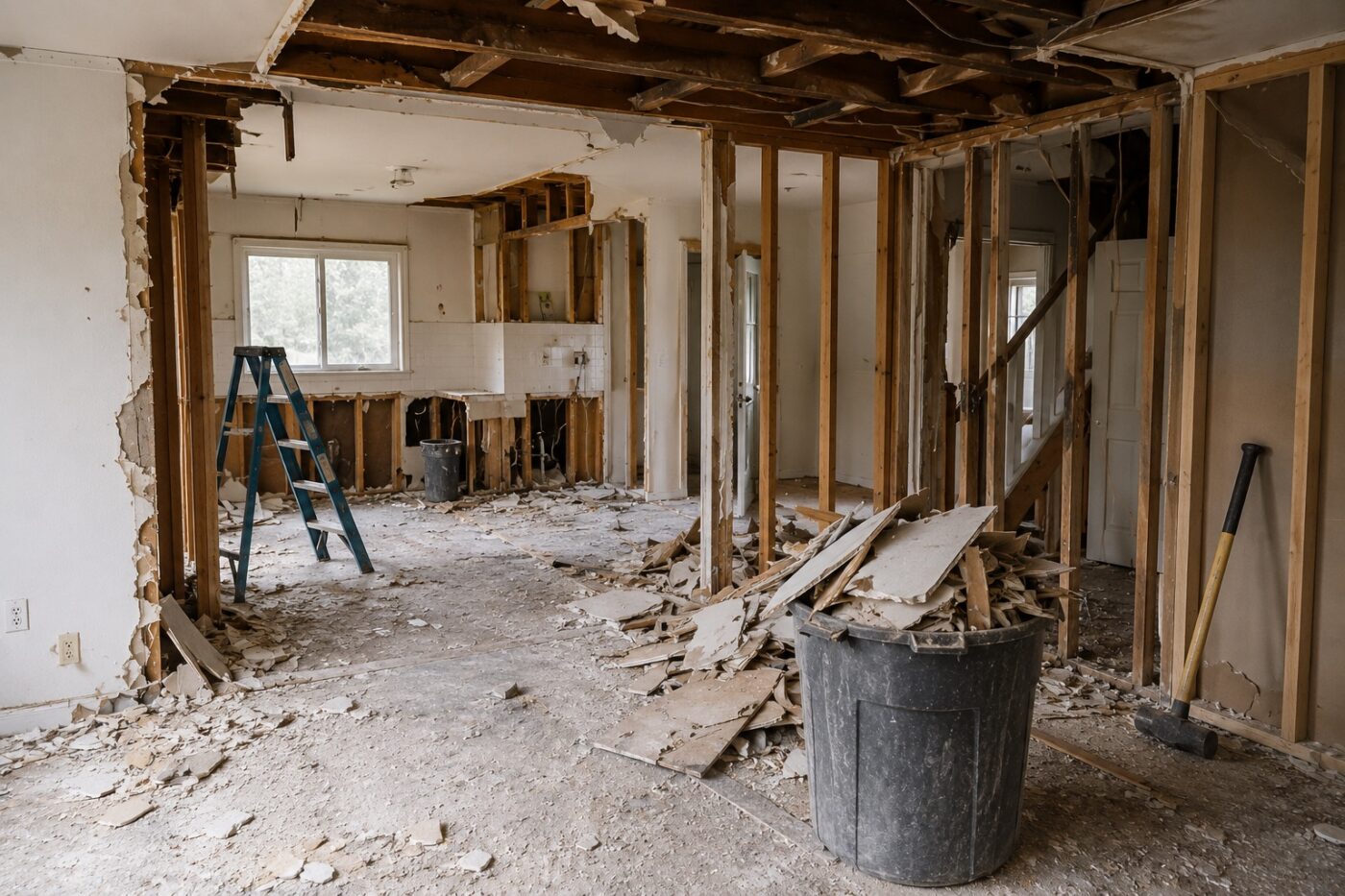
Demolition is usually the most exciting stage emotionally because homeowners finally see visible progress.
It is also one of the messiest phases of the renovation.
During demolition, contractors remove:
- Flooring
- Cabinets
- Fixtures
- Drywall
- Plumbing components
- Old wiring
- Non-structural walls
Estimated timeline:
3 days to 2 weeks
The timeline depends heavily on project size and structural complexity.
Reality check:
Demolition is often when hidden problems appear.
Many homeowners discover water damage, outdated electrical systems, or structural issues only after walls and flooring are removed.
This is one reason renovation timelines almost always require flexibility.
Step 4 — Structural and Major Construction Work
This phase forms the physical foundation of the renovation.
Contractors may:
- Remove or build walls
- Reinforce framing
- Modify layouts
- Repair foundations
- Replace windows and doors
- Build additions
- Adjust staircases
Estimated timeline:
1–8 weeks
Structural work often determines the speed of everything that follows.
If this stage is delayed, plumbers, electricians, drywall installers, and flooring contractors may all need to reschedule.
Contractor reality:
Experienced builders often warn homeowners that structural work rarely moves as quickly as renovation TV shows make it seem.
Real construction involves inspections, engineering adjustments, material lead times, and problem-solving that rarely appears on screen.
Step 5 — Plumbing, Electrical, and HVAC Installation
Once the structure is prepared, the home’s internal systems are installed.
This includes:
- Electrical rewiring
- Plumbing installation
- HVAC systems
- Underfloor heating
- Ventilation systems
- Outlet and lighting placement
Estimated timeline:
1–4 weeks
Common issue:
Homeowners frequently realize too late that they want additional outlets, lighting fixtures, or plumbing changes.
By this stage, modifications become more expensive because contractors may need to reopen completed work later.
This is why detailed planning early in the renovation is so important.
Step 6 — Insulation and Drywall
Once inspections are approved, contractors begin closing the walls.
At this point, the renovation finally starts looking more like a finished home instead of a construction site.
This phase includes:
- Wall insulation
- Ceiling insulation
- Vapor barriers
- Drywall installation
- Joint finishing
- Sanding and surface preparation
Estimated timeline:
1–3 weeks
Drywall work often takes longer than homeowners expect because multiple layers require drying time between coats.
Step 7 — Flooring, Painting, and Interior Finishes
This is usually one of the most visually satisfying stages.
The renovation begins transforming into a livable space as contractors install:
- Flooring
- Paint
- Trim and molding
- Interior doors
- Stair finishes
- Decorative details
Estimated timeline:
2–6 weeks
Pro tip:
Experienced contractors often complete painting before final flooring installation whenever possible. This helps reduce the risk of damaging finished floors during construction.
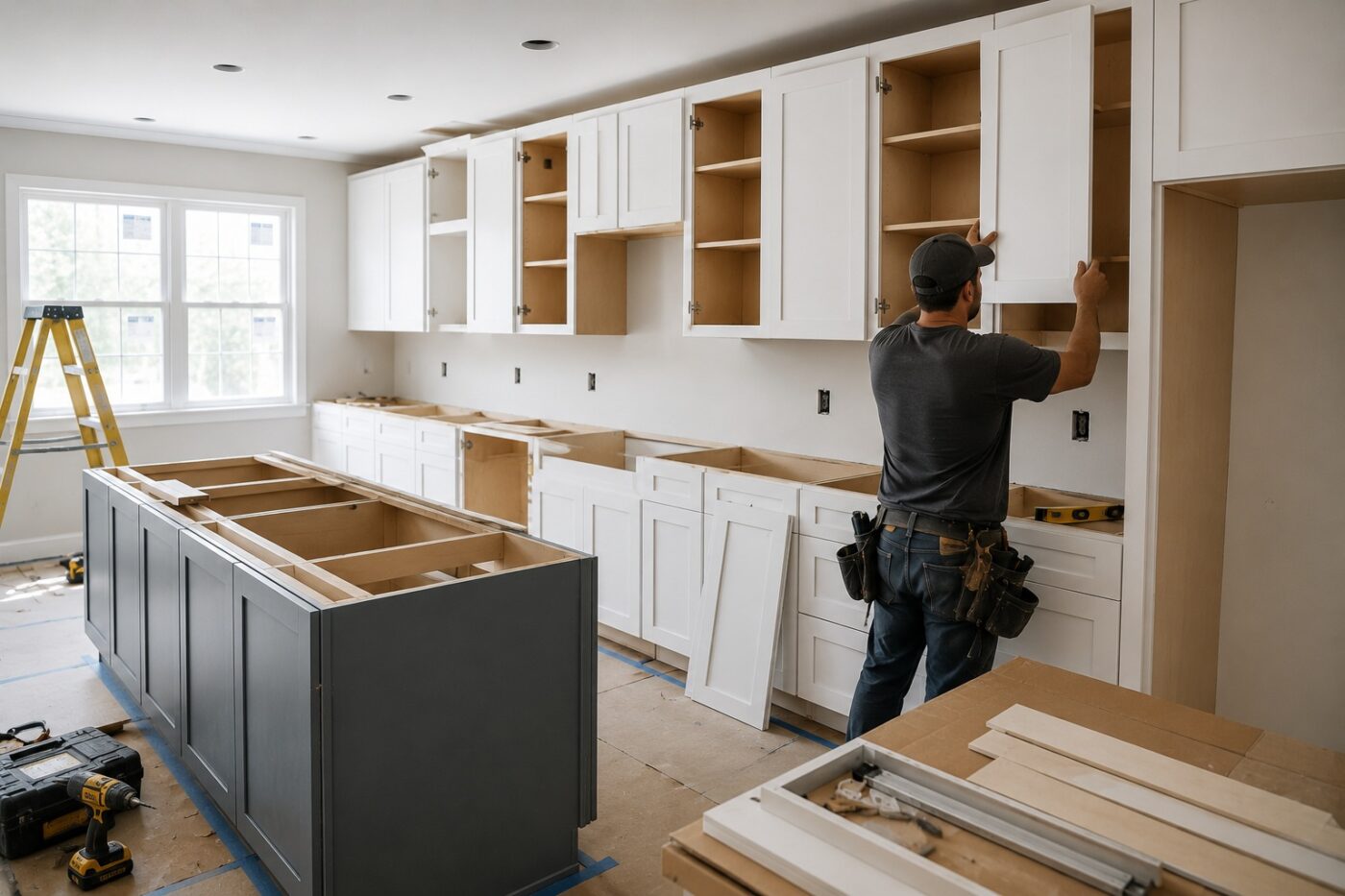
Step 8 — Kitchen and Bathroom Installation
Kitchens and bathrooms are among the most delay-prone parts of a renovation.
Cabinets, countertops, plumbing fixtures, appliances, and specialty materials frequently arrive later than expected.
This phase typically includes:
- Cabinet installation
- Countertops
- Plumbing fixtures
- Appliances
- Bathroom vanities
- Showers and bathtubs
Estimated timeline:
1–4 weeks
Real-world observation:
Many contractors say kitchens are where renovation schedules most commonly break down because multiple trades and custom materials must align perfectly.
Step 9 — Final Inspection and Cleaning
The final stage focuses on testing, corrections, and preparing the home for move-in.
This phase usually includes:
- Final walkthroughs
- Safety inspections
- Appliance testing
- Touch-up work
- Punch list corrections
- Deep cleaning
Estimated timeline:
2–7 days
Important reminder:
Homeowners should inspect everything carefully before final payment.
Small issues such as paint touch-ups, loose handles, uneven trim, or missing silicone sealing are much easier to correct before contractors officially finish the project.
Common Renovation Delays and How to Avoid Them
Nearly every renovation experiences delays.
The difference between a manageable renovation and a chaotic one usually comes down to preparation.
Experienced contractors rarely expect projects to move perfectly from start to finish because construction involves too many moving parts. Materials arrive late. Inspections shift unexpectedly. Hidden damage appears behind walls.
The key is not eliminating every possible delay — it is reducing the impact of problems before they become major setbacks.
Material Delays
Material shortages remain one of the biggest problems in modern remodeling projects.
Custom cabinets, windows, countertops, imported tiles, and appliances may take weeks or months to arrive.
A single delayed delivery can affect multiple contractors waiting to continue work.
How homeowners reduce this risk:
Successful renovation projects usually order long lead-time materials early — sometimes before demolition begins.
Contractor Scheduling Problems
Contractors often manage multiple projects simultaneously.
If one project falls behind schedule, the delays may affect every upcoming renovation afterward.
This creates a domino effect across:
- Electricians
- Plumbers
- Flooring installers
- Painters
- Cabinet installers
How homeowners reduce this risk:
Projects move much more smoothly when homeowners maintain clear communication and confirm scheduling details regularly.
Design Changes During Construction
Changing plans mid-project is one of the fastest ways to extend renovation timelines.
A homeowner may suddenly decide to:
- Move a wall
- Change flooring materials
- Add lighting fixtures
- Relocate plumbing
- Upgrade cabinets
Even small changes can affect permits, material orders, inspections, and contractor schedules.
Contractor reality:
Many contractors say the renovation projects with the biggest delays are not necessarily the largest projects — they are the projects where homeowners keep changing decisions during construction.
Hidden Structural Issues
Older homes often contain hidden problems.
Water damage, unsafe wiring, foundation cracks, mold, and damaged plumbing are extremely common discoveries once demolition begins.
How homeowners reduce this risk:
Professional home inspections before renovation can identify some risks early, although not every issue can be discovered before opening walls and flooring.
How to Speed Up a Renovation Project
Most homeowners want renovations completed quickly, but speed without planning usually creates more problems.
The fastest renovation projects are rarely the ones that rush construction. Instead, they are the projects that prepare carefully before work even begins.
Finalize Plans Early
Projects move faster when homeowners make decisions before demolition starts.
Late changes involving layouts, lighting, materials, or plumbing locations almost always slow down construction.
Experienced contractors often say:
The easiest renovation problem to fix is the one that never happens.
rder Materials Before Construction
One delayed material delivery can pause an entire renovation.
Homeowners who order cabinets, appliances, flooring, and windows early usually avoid major interruptions later.
Hire Experienced Contractors
Cheap contractors sometimes become expensive contractors.
Inexperienced teams often create delays through:
- Inefficient schedule management: Miscalculating the order of trades, leading to empty days on site.
- Incorrect technical measurements: Errors in ordering custom windows, doors, or cabinetry that require time-consuming re-orders.
- Accidental structural rework: Poorly executed jobs that fail to meet initial quality expectations and must be completely redone.
- Failed safety inspections: Missing local building code requirements, which forces the project to halt until corrections are applied.
- Broken communication lines: Failing to update suppliers or homeowners on timeline shifts, creating a costly domino effect.
Reliable contractors usually save both time and money long-term.
Maintain Clear Communication
Renovations slow down quickly when homeowners, suppliers, and contractors stop communicating clearly.
Regular project updates help identify problems before they become major delays.
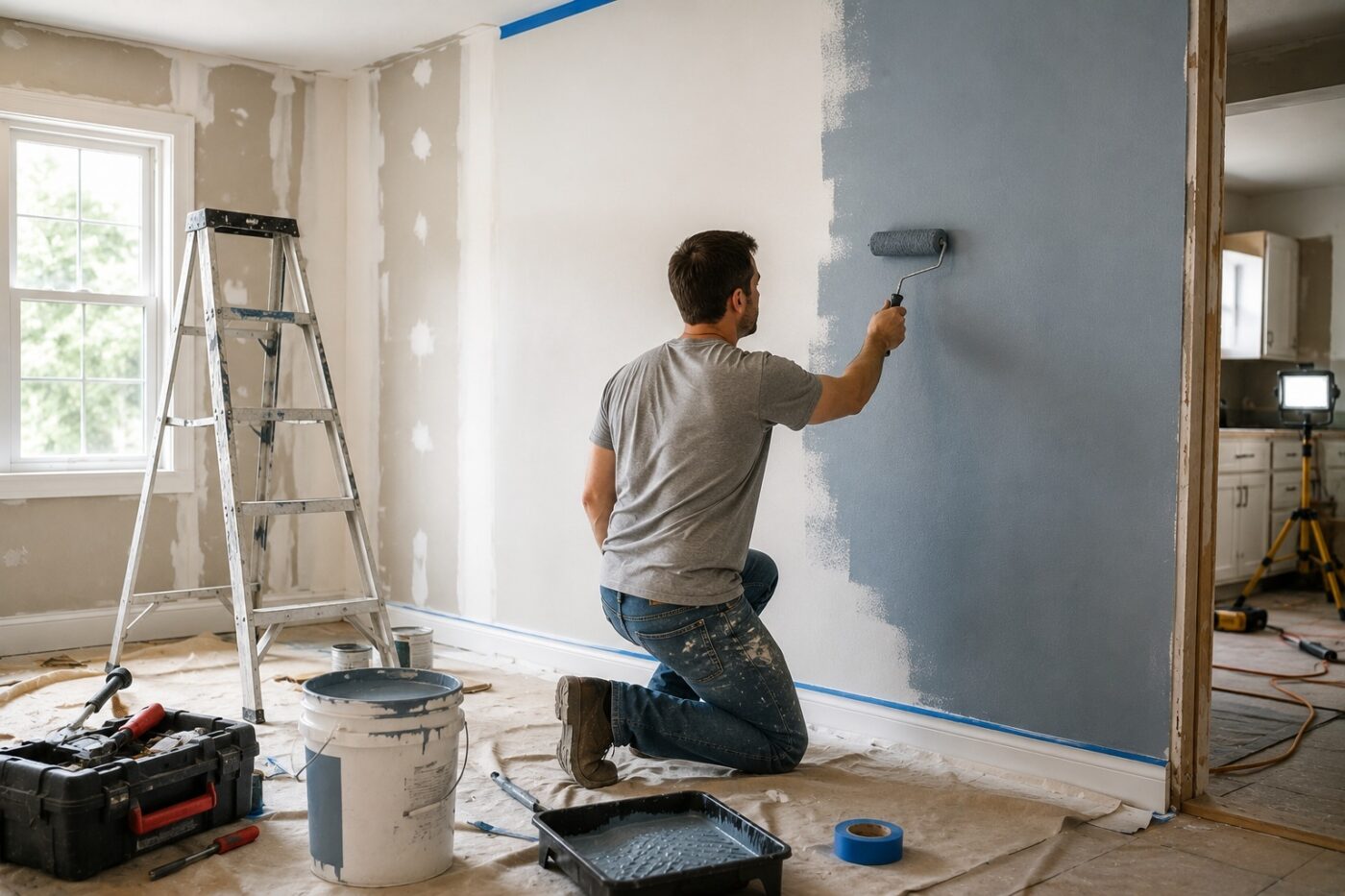
DIY vs Professional Renovation Timeline
DIY renovations can save money, but they almost always require more time.
Many homeowners underestimate how physically and mentally demanding renovation work actually becomes over several months.
Tasks that take professional crews two days may take inexperienced homeowners two weekends.
| Renovation Type | DIY Timeline | Professional Timeline |
|---|---|---|
| Painting | 1–2 weeks | 1–3 days |
| Flooring installation | 1–3 weeks | 2–5 days |
| Bathroom remodel | 2–4 months | 2–6 weeks |
| Kitchen remodel | 3–6 months | 1–3 months |
| Full home renovation | 1+ year | 3–12 months |
Best DIY projects:
Painting, simple flooring, decorative upgrades, shelving installation, and basic landscaping are often manageable for homeowners.
Projects best left to professionals:
Structural work, electrical systems, plumbing, roofing, HVAC installation, and gas line work should almost always be handled by licensed professionals.
A hybrid approach often works best. Many homeowners save money by handling cosmetic work themselves while leaving technical systems to professionals.
Renovation Timeline Checklist
A renovation checklist helps homeowners stay organized before, during, and after construction.
The most successful renovation projects usually follow a clear preparation process.
Before construction starts:
- Finalize renovation goals
- Set a realistic budget
- Hire contractors
- Approve designs
- Obtain permits
- Order materials
- Create a renovation schedule
During construction:
- Monitor progress weekly
- Maintain communication with contractors
- Schedule inspections early
- Protect finished surfaces
- Avoid mid-project changes
Before project completion:
- Test plumbing and electrical systems
- Inspect paint and flooring carefully
- Complete the punch list
- Schedule deep cleaning
- Store permits and warranty documents
Frequently Asked Questions About Renovation Timelines
How long does a full home renovation take?
Most full home renovations take between 3 and 12 months depending on the size of the property, permit approvals, contractor availability, and project complexity.
What part of a renovation usually takes the longest?
Structural work, kitchens, bathrooms, plumbing systems, and permit approvals are often the most time-consuming parts of a renovation.
Why do renovation projects get delayed so often?
Most delays come from material shortages, contractor scheduling conflicts, hidden structural problems, inspection delays, or design changes during construction.
Can I live in my house during renovation?
Small cosmetic projects are often manageable while living at home. Large renovations involving kitchens, plumbing, HVAC systems, or structural work may require temporary relocation.
Is DIY renovation faster than hiring professionals?
Usually not. Professional contractors typically complete projects much faster because they work full-time, use specialized equipment, and coordinate multiple workers simultaneously.
Conclusion
A successful renovation project is not just about attractive finishes or modern upgrades. It is about organization, preparation, communication, and realistic expectations.
Most renovation delays happen long before contractors start working. They begin with rushed planning, unclear decisions, late material orders, unrealistic budgets, and poor scheduling.
Homeowners who prepare carefully usually experience smoother renovations, fewer delays, and less stress throughout the construction process.
The most effective renovation timelines are flexible enough to handle unexpected problems while still maintaining clear structure and organization.
Whether you are planning a bathroom remodel, kitchen renovation, or full home renovation, realistic scheduling can help:
- Reduce stress
- Control costs
- Improve contractor coordination
- Prevent unnecessary delays
- Create better long-term renovation results
Construction projects rarely go perfectly exactly as planned.
But homeowners who understand how renovation timelines actually work are far more prepared to handle the process successfully from demolition to final inspection.